Exploring Life Through Photography: Prints and Digital Downloads

Photography is more than just a hobby; it’s a way to capture moments, tell stories, and express emotions. In today's digital age, the choice between prints and digital downloads can be overwhelming. This blog post will explore the benefits of both formats, helping you decide how to best showcase your photographic journey.
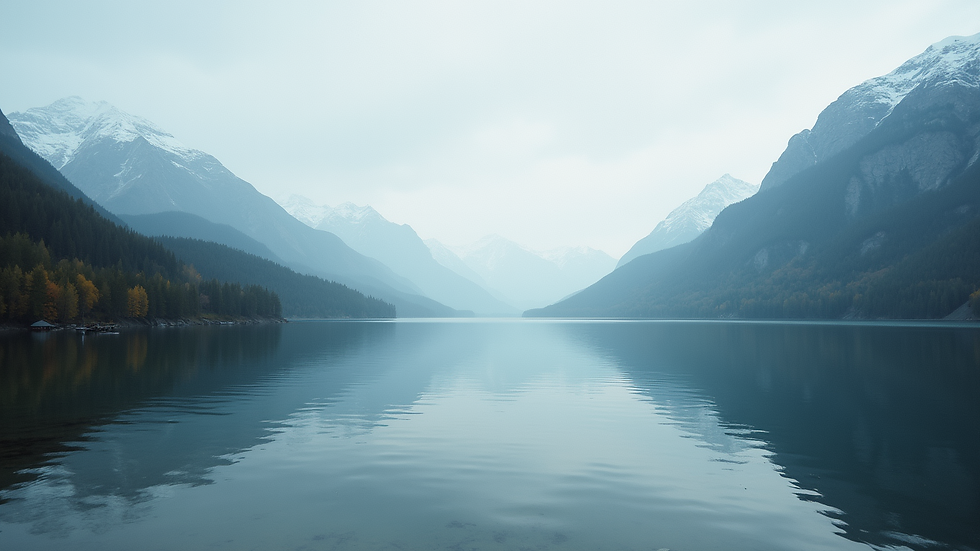
The Power of Photography
Photography has the unique ability to freeze time. A single image can evoke memories, feelings, and thoughts that words often fail to capture. Whether it’s a breathtaking landscape, a candid moment, or a meticulously staged portrait, each photograph tells a story.
Why Photography Matters
Emotional Connection: Photographs can evoke strong emotions. They remind us of cherished moments and loved ones.
Storytelling: Each image can narrate a story, providing context and depth to our experiences.
Artistic Expression: Photography allows individuals to express their creativity and perspective on the world.
Prints vs. Digital Downloads
When it comes to displaying your photography, you have two primary options: prints and digital downloads. Each has its advantages and disadvantages, depending on your needs and preferences.
Benefits of Prints
Tangible Experience: Prints offer a physical representation of your work. Holding a photograph can create a deeper connection than viewing it on a screen.
Decorative Appeal: Framed prints can enhance your living space, adding a personal touch to your decor.
Quality and Detail: High-quality prints can showcase the intricate details of your photography that may be lost in digital formats.
Drawbacks of Prints
Cost: Producing high-quality prints can be more expensive than digital downloads.
Storage: Prints require physical space for storage and display.
Limited Reach: Once printed, the image is confined to its physical form and cannot be easily shared online.
Benefits of Digital Downloads
Instant Access: Digital downloads provide immediate access to your images, allowing for quick sharing and use.
Versatility: Digital files can be used in various ways, from social media posts to digital frames.
Cost-Effective: Generally, digital downloads are less expensive than prints, making them accessible for a wider audience.
Drawbacks of Digital Downloads
Lack of Tangibility: Digital images can feel less personal than physical prints.
Quality Variability: The quality of digital images can vary based on the device used for viewing.
Screen Fatigue: With so much time spent on screens, viewing images digitally may not provide the same satisfaction as holding a print.
Choosing the Right Format for You
Deciding between prints and digital downloads ultimately depends on your personal preferences and how you intend to use your photographs. Here are some factors to consider:
Purpose of the Photography
Personal Use: If you want to decorate your home or create a photo album, prints may be the better choice.
Sharing Online: For social media or websites, digital downloads are more practical.
Budget Considerations
Cost of Production: Consider your budget for printing versus purchasing digital files.
Long-Term Investment: High-quality prints can be a worthwhile investment if you plan to display them prominently.
Space and Storage
Physical Space: If you have limited space, digital downloads may be more suitable.
Display Options: Think about how and where you want to display your photography.
The Process of Creating Prints
If you decide to go the print route, understanding the process can help you achieve the best results.
Selecting the Right Paper
Choosing the right paper is crucial for achieving the desired look and feel of your prints. Options include:
Glossy Paper: Enhances colors and details, ideal for vibrant images.
Matte Paper: Offers a softer finish, reducing glare and fingerprints.
Fine Art Paper: Provides a textured surface, perfect for artistic prints.
Printing Techniques
Different printing techniques can affect the final product:
Inkjet Printing: Offers high-quality prints with a wide color range.
Giclée Printing: A specialized inkjet process that produces museum-quality prints.
Framing and Displaying Prints
Once your prints are ready, consider how to frame and display them:
Frame Selection: Choose frames that complement your images and decor.
Hanging Techniques: Use proper hanging techniques to ensure your prints are displayed securely and attractively.
The Digital Download Experience
If you opt for digital downloads, here’s how to make the most of them.
Choosing the Right File Format
Different file formats serve different purposes:
JPEG: Common for web use, balancing quality and file size.
TIFF: Ideal for high-quality prints, preserving more detail.
PNG: Great for images requiring transparency.
Organizing Your Digital Files
Keeping your digital files organized is essential for easy access:
Folder Structure: Create a clear folder structure based on categories or events.
Backup Solutions: Use cloud storage or external hard drives to back up your files.
Sharing and Displaying Digital Images
There are numerous ways to share and display your digital images:
Social Media: Share your work on platforms like Instagram or Facebook.
Digital Frames: Invest in digital frames that rotate through your images.
Online Galleries: Create a personal website or use platforms like Flickr to showcase your work.
Conclusion
Photography is a powerful medium that allows us to explore and document life in unique ways. Whether you choose prints or digital downloads, each format has its own set of benefits that can enhance your experience. By understanding your needs and preferences, you can make an informed decision that best suits your photographic journey.
As you embark on your photography adventure, consider how you want to share your work with the world. Whether through the tactile beauty of prints or the convenience of digital downloads, your images have the power to inspire and connect with others. So grab your camera, capture those moments, and let your photography tell your story.


Comments